Why Equipment and Flight Records Matter for Drone Pilot Applications
What a Drone Pilot Application Involves
When you apply for paid capture work as an FAA Part 107 pilot, your application is more than a resume. It is a summary of your readiness to fly safely and deliver usable data. Clients who hire drone pilots for commercial projects need confidence that the person behind the sticks can handle the job from start to finish. That means they look at two things closely: the condition of your equipment and the history of your flights.
Equipment Condition as a Trust Signal
Your drone, its batteries, propellers, gimbal, and sensors all show wear over time. A client reviewing your application wants to know that you maintain your gear to a standard that prevents mid-flight failures. A cracked propeller or a battery that has swollen from overuse can turn a routine data capture into a lost aircraft or a safety incident. When you list your equipment on an application, you are implicitly promising that it is airworthy. The best way to back that promise is to keep a clear maintenance log and to perform a pre-flight equipment inspection before every job. This is not just about your own peace of mind. It directly affects whether a client trusts you enough to send you to a site miles away to capture data they depend on.
What a Flight Record Shows
A flight record is a log of every flight you have made: date, location, duration, weather conditions, any anomalies, and the results of the mission. For a pilot looking for paid work, a detailed flight record demonstrates experience and professionalism. It shows that you have flown in a variety of conditions, that you know how to handle unexpected wind or interference, and that you have completed assignments on time. Clients often ask for a sample flight record during the selection process. They want to see that you record your flights systematically, that you note any issues, and that you can produce clean data at the end. A spotty or incomplete record raises questions about your reliability.
How These Two Factors Affect Your Application
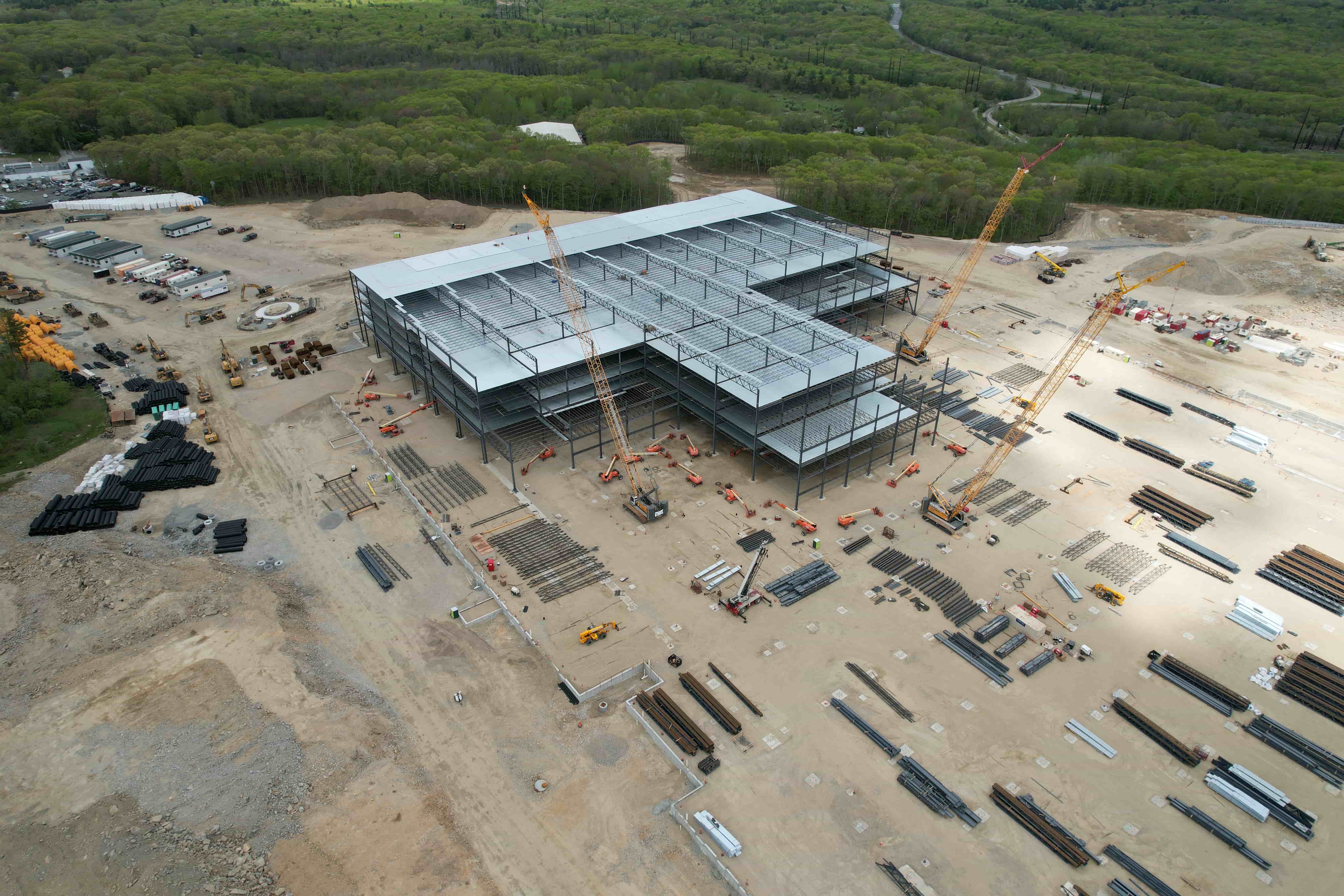
When you submit a drone pilot application for a paid project, the client is evaluating risk. They want to avoid hiring someone whose drone might fail mid-flight, or who cannot document where they have flown and what they captured. A well-maintained aircraft and a thorough flight history reduce that perceived risk. They tell the client that you treat flying as a serious responsibility. This is especially true for work that involves sensitive sites, such as construction progress tracking, roof inspections, or agricultural surveys where data accuracy matters. The commercial drone pilot requirements for such jobs often include a demonstration of your equipment and a review of your logbooks. Meeting those requirements is not just about checking boxes. It is about proving that you can be counted on.
Maintenance Practices That Build Confidence
Good equipment condition does not happen by accident. It comes from regular checks: inspecting propellers for nicks, checking motor mounts for looseness, cleaning sensors, calibrating compasses, and updating firmware. It also means replacing batteries before they are completely worn out and keeping spares in good condition. A client who sees that you have a written maintenance schedule or that you follow the manufacturer's recommended service intervals will view you as a lower-risk hire. Some pilots go further and keep a separate log for battery cycles, noting how many times each battery has been charged and discharged. That level of detail signals that you understand the relationship between equipment health and flight safety.
Flight History as a Portfolio
Your flight record is the closest thing you have to a portfolio when you are starting out. It shows the types of missions you have flown, the environments you have worked in, and the data you have produced. For a client, a flight record that includes notes about weather decisions, airspace authorizations, and emergency procedures is more valuable than one that just lists takeoffs and landings. It tells a story of a pilot who thinks ahead and who learns from each flight. Over time, a good flight record becomes a tool for negotiating better rates. It proves that you have the experience to handle complex jobs without supervision.
What Clients Look For in Your Logs
When a client reviews your application, they might ask for a copy of your flight logs. They are not just looking for a high number of flights. They want to see consistency. They want to see that you fly regularly, that your flights have a purpose, and that you record outcomes. They also want to see that you have flown in the type of environment their project requires. If the job is over water, they want to see that you have done that before. If it involves flying near power lines, they want to see that you have that experience. A flight record that is just a list of times and dates is not enough. Include details that matter: the mission type, the equipment used, any challenges, and how you addressed them.
The Role of Safety Procedures
Safety procedures tie equipment condition and flight history together. A pilot who follows a consistent pre-flight checklist, who monitors weather and airspace, and who has a plan for emergencies is a pilot who will produce a clean flight record and keep their aircraft in good shape. Clients know this. When they see that your application mentions safety procedures, they recognize that you are not just a pilot who can fly but one who can manage risk. This is especially important for jobs that require drone insurance. Insurance providers often ask for proof of training and a record of safe flying. A strong application that includes both equipment logs and flight history makes it easier to get coverage and to justify higher coverage limits.
Putting It All Together in Your Application
When you prepare a drone pilot application for a paid project, think of it as a package. Your FAA Part 107 certificate shows you are legal. Your equipment log shows you are careful. Your flight record shows you are experienced. Together, they form a complete picture of a professional pilot. To strengthen your application, keep your equipment log up to date, review your flight history before submitting, and be ready to discuss both during an interview. If a client asks about a specific flight or a piece of gear, answer with specifics. That kind of detail builds trust faster than any list of credentials.

Why This Matters More Than You Might Think
A surprising number of pilots neglect their equipment and their logs. They focus on getting the certificate and then on finding jobs, but they forget that the application is where the client makes a first judgment. A pilot who shows up with a dirty drone and a vague flight record is not likely to get a second look. In contrast, a pilot who submits a clean application with a detailed logbook and a maintenance record stands out. The commercial drone pilot requirements for paid work are not just about passing a test. They are about demonstrating a habit of professionalism. That habit shows in every part of your application, from the condition of your drone to the completeness of your flight history.
Final Practical Advice
Start building your flight record now, even if you are not actively applying for work. Log every flight, note any issues, and keep your equipment in good shape. When the time comes to apply for a paid project, you will have everything ready. You will not have to scramble to remember where you flew last month or whether you replaced that battery. A little discipline now pays off when a client asks for your application and you can hand over a document that proves you are the pilot they can rely on.